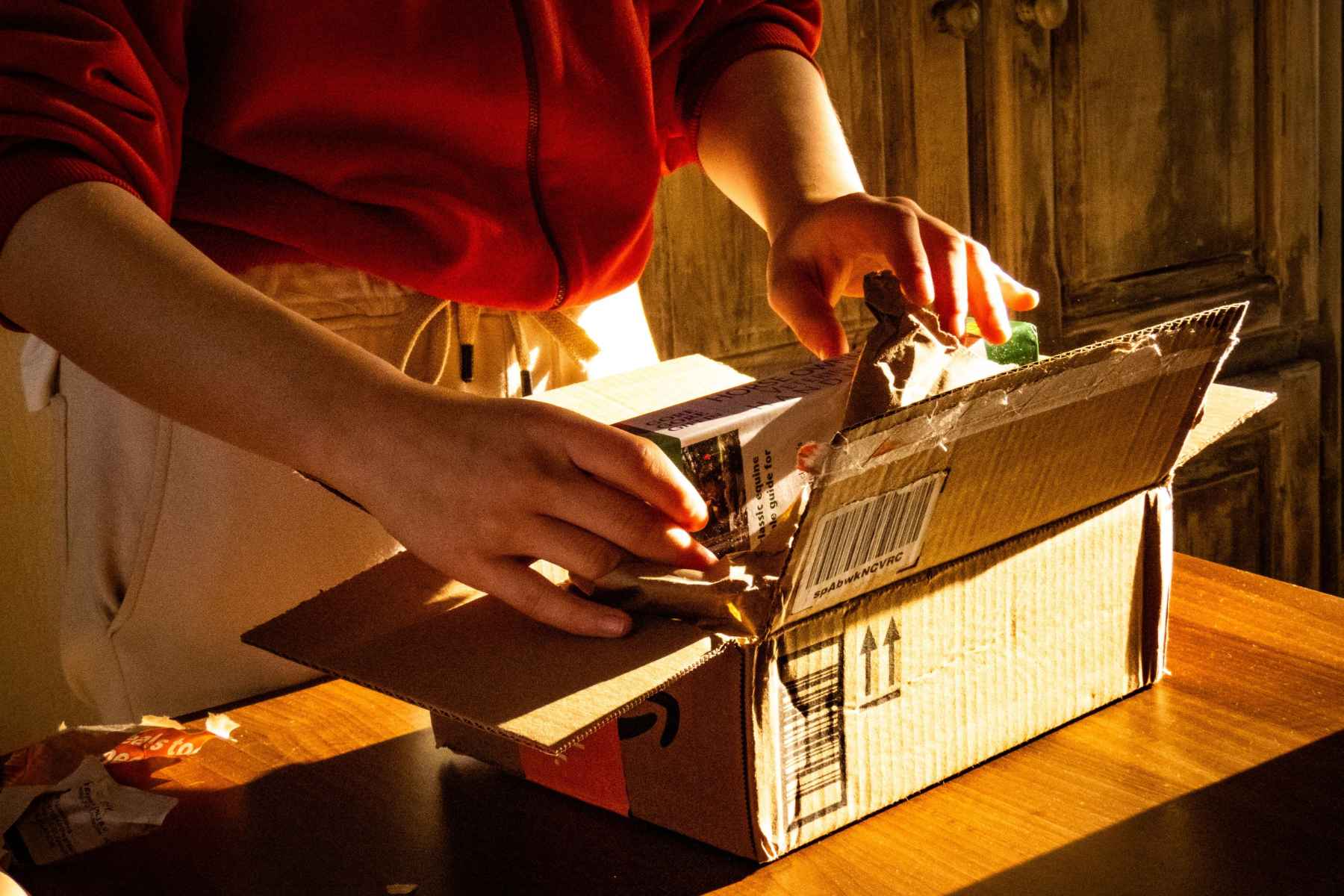
Your neighbor got a box of new dish soap to try last month. Then a blender. Then a three-week skin care test. You signed up for the same kind of panels around the same time and have mostly gotten surveys.
It’s usually not luck. It’s matching.
Brands that send out products are looking for specific people: a parent of toddlers, someone with a gas stove, a runner with sensitive skin. Panels (the survey and testing sites you sign up with) match those requests against what testers have told them, then favor people who answer quickly and follow through. A few habits can put you in front of more of those matches.
None of this guarantees invites. How many you get depends on your household, where you live and what brands need that month. These habits help you avoid missing the ones you’d qualify for.
1. Fill Out Every Profile Section, Even the Optional Ones
Your profile is how a panel decides who to invite. If a brand wants testers who own a dog and buy grain-free food, the panel can only find you if you said so.
Go through every tab: household size, kids’ ages, pets, the phone and laptop you use, your car, your hair and skin type, the stores you shop at. Optional sections are often where the narrow, product-specific questions live, and they’re easy to skip.
2. Update It When Your Life Changes
A profile you filled out two years ago describes someone who may not live at your house anymore. A new baby, a move, a new phone, a dog you adopted or a diet you started can all open up tests you didn’t fit before.
Set a reminder to review your profiles every three months. On most sites it’s a quick job once the first pass is done.
3. Answer Screeners Truthfully and the Same Way Every Time
Screeners are the short question sets that decide whether you qualify for a specific test. It’s tempting to say yes to everything. Don’t.
Many panels run quality checks, which look for answers that contradict each other over time. If you said you have no kids last week and three kids today, that can get flagged, and some panels may suspend accounts with repeated flags. And if you claim to use a product you’ve never touched, you’ll end up testing something you can’t give useful feedback on.
Honest “no” answers aren’t wasted. They help the panel send you the tests you actually fit.
4. Respond Fast
Many test openings have a set number of spots, and popular ones can fill quickly. An invite you open tomorrow may already be closed.
- Turn on app notifications for the panels you use most.
- Add each panel’s email address to your contacts so invites don’t land in spam.
- Check at two set times a day, like during your morning coffee and after dinner.
5. Keep Your Shipping Details Current
Double-check your address, apartment number and phone number on every panel, especially after a move.
If you’ll be traveling for a couple of weeks, it’s fine to pass on a test that ships during that time. Accepting and then not using the product is worse than skipping it.
6. Follow the Instructions to the Letter
Each test comes with rules: use it daily for 14 days, take a photo of the packaging, keep the leftovers, finish the follow-up survey by Friday. Brands need everyone to test the same way so the results can be compared.
Put each deadline on your phone’s calendar the day the box arrives. Missing the final survey can mean losing the reward for that test, and some panels look at completion history when deciding who to invite next.
7. Write Feedback a Brand Can Use
Vague praise gets skimmed. Useful feedback says what you did, what happened and what you’d change.
- Weak: “The vacuum worked fine.”
- Useful: “It picked up dog hair on low-pile carpet in one pass, but the bin filled after two rooms and the latch was hard to open with one hand.”
Negative points are fine. Brands often run tests to find problems before a product launches, so a clear complaint is often more valuable to them than vague praise.
8. Know the Rules If You Post a Review Publicly
On many tests, your feedback goes only to the brand. Some ask you to post a review on a store site or social media too. If you do, the Federal Trade Commission (FTC, the federal agency that polices false advertising) says you should disclose that you got the product free, because that can affect how readers weigh your opinion.
The FTC says a disclosure should be clear and hard to miss. A plain line at the start of your review, like “I received this product free for testing,” fits that. If you post on social media, the agency’s Disclosures 101 guide shows what that looks like in a post or video.
There’s also a federal rule on the brand’s side. Under the FTC’s consumer reviews rule, businesses can’t offer rewards for reviews on the condition that those reviews say something positive (or negative). You should be free to share your real opinion.
Red Flags That Aren’t Real Tests
Legitimate panels don’t charge you to join. Some fake “product tester” offers are really job scams, and the FTC’s guide to job scams covers the warning signs. Watch for these:
- Upfront fees: A sign-up fee, starter kit or “certification” you have to buy first.
- Reshipping: Being asked to receive packages, repackage them and mail them somewhere else.
- Overpayment checks: A check that’s more than you’re owed, with a request to send the difference back. The check turns out to be fake, and the bank will want that money back from you.
- Five-star strings: A test that only rewards positive reviews. Under the FTC rule above, that’s not allowed.
Your Next 20 Minutes
Open the panel you use most and finish one blank profile section. Then check that your shipping address and phone number are current on every site.
Work through the other habits as invites come in. The next time a box lands on your doorstep, put its deadlines on your calendar before you open it.